Steering Committee
The SOCONET Steering Committee (SC) is made up of scientists and technical experts from groups contributing to SOCONET and involved in the production of its data products as needed. SC members are recruited with effort to represent as wide as possible geographic distribution, career stage and to maintain gender balance. SC members should represent expertise in fields of ocean observing, chemical oceanography, sensors and instruments, modelling, or data management. The SOCONET SC is led by two co-Chairs selected from within the SC, and assisted by SOCONET Coordinator, Technical Coordinator. Ex-officio Experts from government agencies, relevant intergovernmental and international bodies as well as national scientific programs might be invited to support the work of the SOCONET SC with their specific expertise.
Steering Committee co-Chair

Tobias Steinhoff
Germany
Email:
Dr. Tobias Steinhoff is a chemical oceanographer working at GEOMAR Helmholtz Centre for Ocean Research Kiel in Germany. He has spent his career exploring the oceans carbon, nutrient and oxygen cycle. While studying chemistry, he discovered a fascination for the marine inorganic carbon cycle and ocean observations in general. This interest soon grew into a career devoted to understanding how the ocean exchanges with the atmosphere and changes due to climate change.
After studying chemistry, he earned his Ph.D. in 2010 at the University of Kiel and GEOMAR focusing on nutrient and carbon fluxes in the North Atlantic Ocean. During his time as a Ph.D. student, he set up a SOOP (ship-of-opportunity) line crossing the North Atlantic between Europe and North America on board a commercial vessel measuring carbon and oxygen in the surface water. Today, this line is an official class 1 station of the European Research infrastructure “Integrated Carbon Observation System (ICOS)” and will be part of SOCONET.
After finishing his Ph.D. he operated the North Atlantic SOOP line providing valuable data to international efforts like SOCAT (Surface Ocean CO2 Atlas) the Global Carbon Project. He gained experience in using various non-scientific platforms like cargo vessels, cruise liners, and even sailing boats to support ocean observations. In addition, he participated in more than 20 research expeditions resulting in over two decades of ocean measurements covering the tropical and subpolar North Atlantic as well as the Pacific and Indian Ocean. In recent years Tobias got more involved with the BGC-Argo community using pH data from Argo floats for observations of the ocean carbon cycle.
Between 2019 and 2024 Tobias worked for ICOS Oceans to support the network of ocean stations measuring surface ocean pCO2. He organized numerous workshops and led the international pCO2 instrument inter-comparison in 2021, which was a milestone for the community and resulted in increased efforts of manufacturers to improve their instruments.
He is particularly passionate about new technologies and collaborative approaches. Whether it’s developing autonomous sensors, working side-by-side with citizen scientists, or helping evaluate ocean-based carbon dioxide removal methods, Tobias believes that diverse partnerships are key to understanding the global ocean.
Today, he contributes to numerous international projects that seek to improve ocean observations and make data more accessible to researchers, policymakers, and the public. With the broad experience in oceanography and his passion for the ocean observations, Tobias will support SOCONETs mission in various ways.
Steering Committee co-Chair
Bronte Tilbrook
P.O. Box 1538
7001 Hobart, Tasmania,
AUSTRALIA
Email:
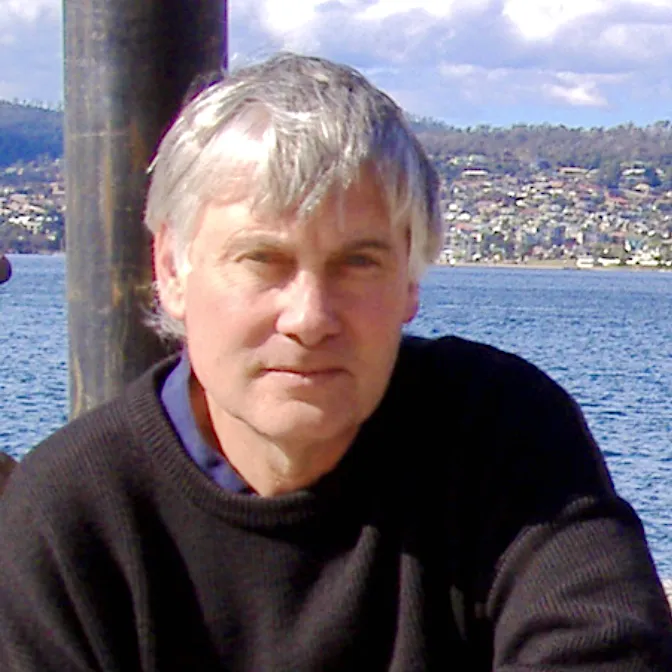
Bronte Tilbrook is based in Hobart, Tasmania, and is a Senior Principal Research Scientist with CSIRO Environment and the Australian Antarctic Program Partnership. He completed a PhD in chemical oceanography at the University of Hawaii in 1992. Since then, he has been involved in developing Australian research on the detection of ocean acidification and ocean carbon uptake and storage. Tilbrook has served on steering committees of many international collaborative programs to determine changing ocean conditions, the potential impacts on marine life, and the development of data and synthesis products to support research and policy. He has participated in over thirty research cruises in all major ocean basins and currently leads projects on underway and autonomous monitoring of ocean carbon.
Steering Committee Member
Adrienne Sutton
Seattle, WA, 98115, USA
Email:
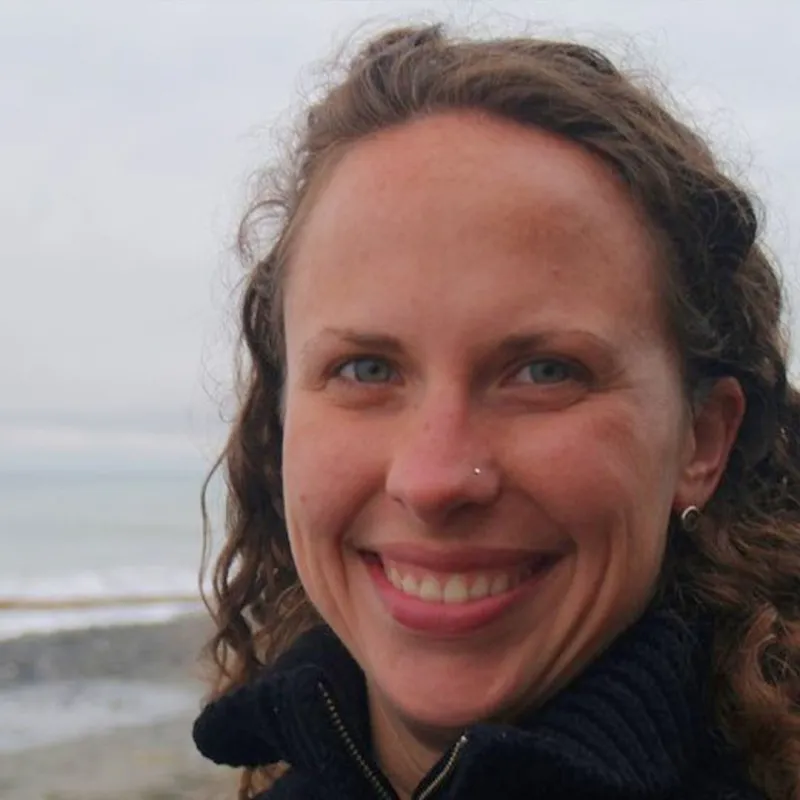
Adrienne is an Oceanographer at NOAA’s Pacific Marine Environmental Laboratory (PMEL) and an Affiliate Assistant Professor at University of Washington’s School of Oceanography in Seattle, U.S. Her research group focuses on advancing our understanding of the ocean carbon cycle and how it is changing over time. Her team maintains almost 40 moored autonomous time series around the globe in open ocean and coastal ecosystems that track air-sea CO2 exchange and ocean acidification.
Her recent publications focus on characterizing natural variability and long-term anthropogenic trends using time series observations and models, uncertainty in observation-based CO2 flux estimates, and modern-day exposure of marine organisms to corrosive carbonate chemistry conditions. Adrienne also collaborates with her team and PMEL engineers on observing technology development. This team was part of the first autonomous circumnavigation of Antarctica in 2019 and has transferred two autonomous air-sea pCO2 observing technologies to industry and nonprofit partners.From 2015 to 2021 Adrienne served as co-chair of the Biogeochemistry Task Team of the Tropical Pacific Observing System 2020 (TPSO2020): a groundbreaking effort that implemented for the first time the Framework for Ocean Observing’s user-driven and variable-focused design. She also serves on the steering committees of OceanSITES, Prediction and Research Moored Array in the Tropical Atlantic (PIRATA), and the Global Ocean Acidification Observing Network (GOA-ON). She is active in the community data quality control efforts of the Surface Ocean CO2 Atlas (SOCAT) and research capacity building efforts through the United Nation’s Sustainable Development Goal 14.3.1 Indicator Development Expert Group. She has also developed trainings on monitoring strategy design and data quality control and management best practices with GOA-ON, the IOC-UNESCO and other partners.
Adrienne is incredibly passionate about mentoring the next generation of oceanographers, especially those underrepresented in the ocean sciences and also has experience in science communication and policy. Adrienne’s dedication to marine biogeochemistry will no doubt help IOCCP provide our services to the community via a variety of well-designed and efficiently implemented activities.
Steering Committee Member

Dorothee Bakker
Norwich Research ParkNorwich, NorfolkNR4 7TJ
UK
Email:
Prof Dorothee Bakker studies the marine carbon cycle from estuaries and shelf seas to the polar oceans in multidisciplinary, seagoing projects. Her research interests include ocean uptake of carbon dioxide (CO2), processes driving variation in this uptake, progression of ocean acidification and land to ocean carbon transfer.
She is active in the PICCOLO, GreenFeedBack, CHALKY, TRICUSO and MaSCOt research projects and the Rothera carbonate chemistry time series (2010-). Dorothee chairs the global group of the Surface Ocean CO2 Atlas, a high-profile synthesis activity by marine scientists worldwide, which is used to quantify ocean CO2 uptake in the Global Carbon Budget and is an important step in the delivery of the ambitious World Meteorological Organization’s Global Greenhouse Watch program. Dorothee will act as a link with SOCAT in SOCONET.
Steering Committee Member
Richard Sanders
Jahnebakken 5, 5007 Bergen,
Norway
Email:
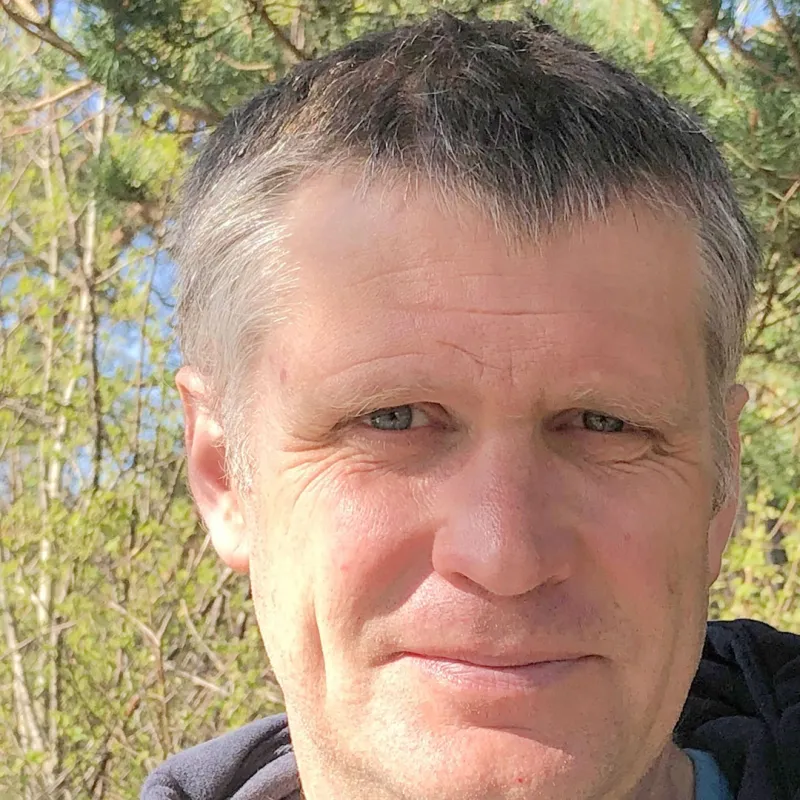
Richard Sanders holds a PhD in Environmental Science, a Master's Degree in Oceanography and an Undergraduate Degree in Chemistry. Richard is the Director of the European Research Infrastructure: Integrated Carbon Observing System – Ocean Thematic Center (ICOS-OTC) hosted at the Norwegian Research Centre in Bergen Norway, a part time Staff Scientist at the UK National Oceanography Centre, holds and Honorary Chair from the University of Southampton, UK and is a trustee of the South Atlantic Environmental Research Institute in the Falkland Islands.
The Ocean Thematic Centre exists to support marine observing systems for high quality long term observations of greenhouse gases via the provision of standard gases, databasing, helping stations provide the highest quality observations and opening up access to new technology. Before joining ICOS-OTC Dr Sanders served as the Chair of the Ocean Biogeochemistry and Ecosystems group at National Oceanography Centre (NOC), in Southampton, UK, a position he has held since 2012. He has undertaken research into the Biological Carbon Pump, the biologically mediated storage of carbon in the oceans interior which controls climate, land ocean carbon transfers and the oceanic uptake of CO2 from the atmosphere.
At IOCCP Richard will lead our continuous efforts to create a much more robust surface ocean carbon observing system for monitoring ocean carbon uptake. A system that is capable of reporting annually on the state of the ocean carbon sink based on globally coordinated network of observatories, submitting FAIR data of known and feasible quality to recognized data management system approved by the global community.
Steering Committee Member
Shin-Ichiro Nakaoka
Japan
Email:
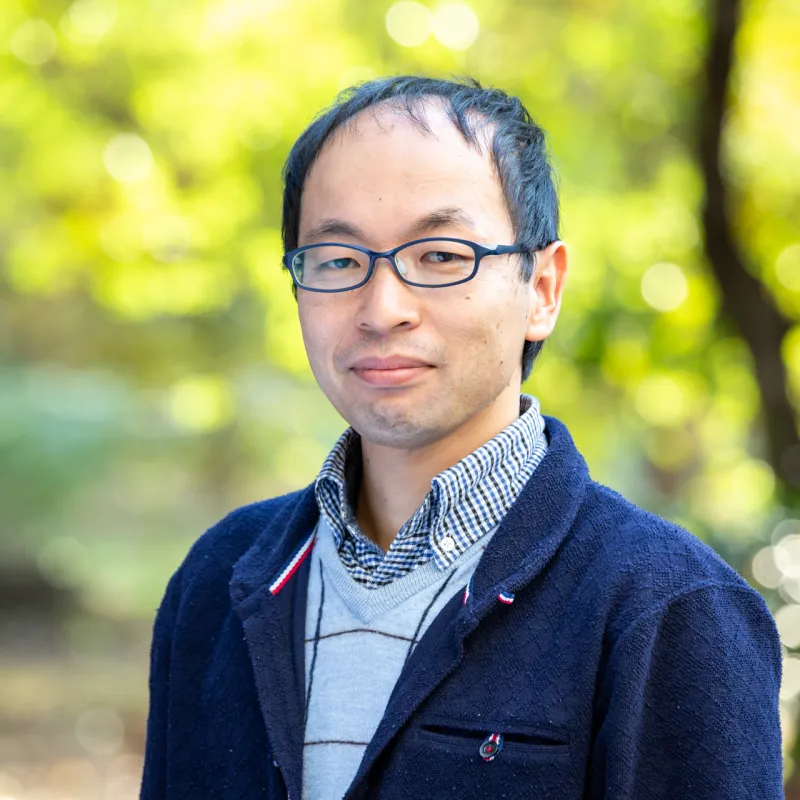
Shin-Ichiro Nakaoka is a Senior Researcher at the Earth System Division of the National Institute for Environmental Studies in Tsukuba, Japan. He received his PhD from Tohoku University (Japan) in 2006, and has since contributed to and later led the major research group at NIES developing national capacity to provide observations across a wide range of basins. His experience with shipboard observations on cargo and research vessels includes: Barents Sea, Greenland Sea, the Southern Ocean, North and South Pacific as well as domestic collaborations with academic and commercial partners.
Shin-chiro’s experience with sustaining long term monitoring lines will be very beneficial for SOCONET’s global development and his capacity will help us expand SOCONET regionally.
Steering Committee Member
Steve Jones
Jacobsenstraat 1, 8400 Ostend
Belgium
Email:
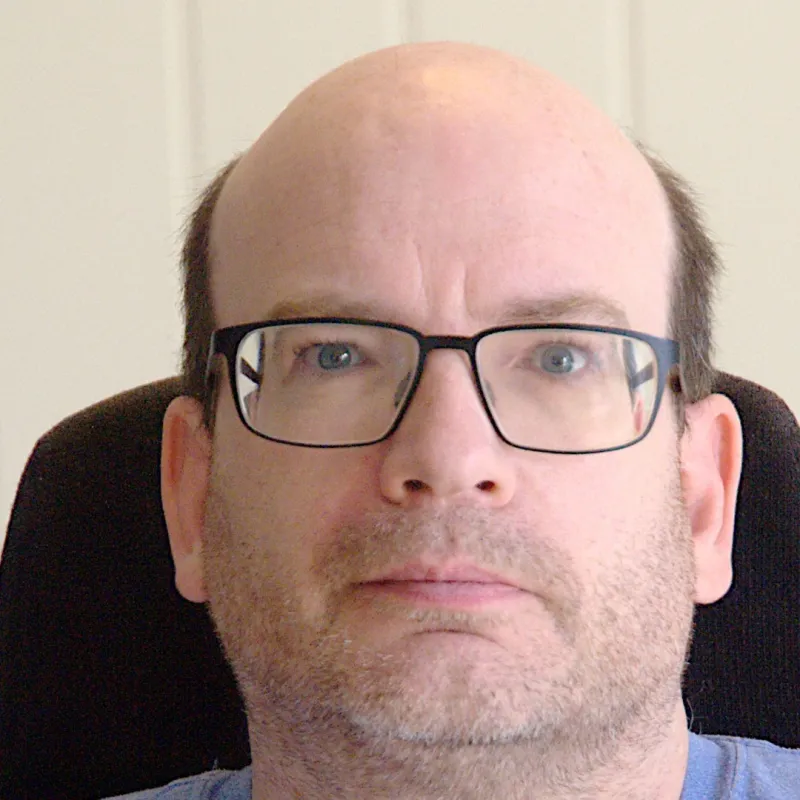
Steve Jones began as a software developer with a BSc in Computer Science from the University of Wales, Aberystwyth (2000) and a career in private industry. In 2007 he returned to university where he gained an MSc in Climate Change (2008) and a PhD in Marine Biogeochemistry (2012), both from the University of East Anglia. Following post-doctoral positions at the UEA and University of Exeter he moved to the University of Bergen, Norway in 2016, where he works as a software developer and data manager.
Steve’s career has covered many aspects of marine carbon cycle science. He has been on multiple research cruises to take ocean interior carbon measurements, and collected surface CO2 measurements from instrumentation installed on a commercial ship. He developed a method for interpolating surface CO2 measurements to obtain global estimates of air-sea CO2 fluxes, contributing to the Surface Ocean pCO2 Mapping Intercomparison. He has also contributed analyses to the annual Global Carbon Budget and the RECCAP synthesis.
Steve’s current focus is developing software to support moving marine biogeochemical observation onto a more operational footing, standardising and automating data processing, quality control and publication where possible and developing tools for those activities that cannot (or should not) be automated. Much of his work benefits the European Research Infrastructure: Integrated Carbon Observing System – Ocean Thematic Center, directly supporting the scientists and engineers collecting data. He is also involved in data publication through projects such as SOCAT, GLODAP, EU Copernicus and EU ENVRI-FAIR, working to ensure that data is as open and accessible as possible.
Steve will continue IOCCP’s mission to help the whole community produce and use FAIR data of known quality as smoothly as possible.
Steering Committee Member
Thanos Gkritzalis
Jacobsenstraat 1, 8400 Ostend,
Belgium
Email:
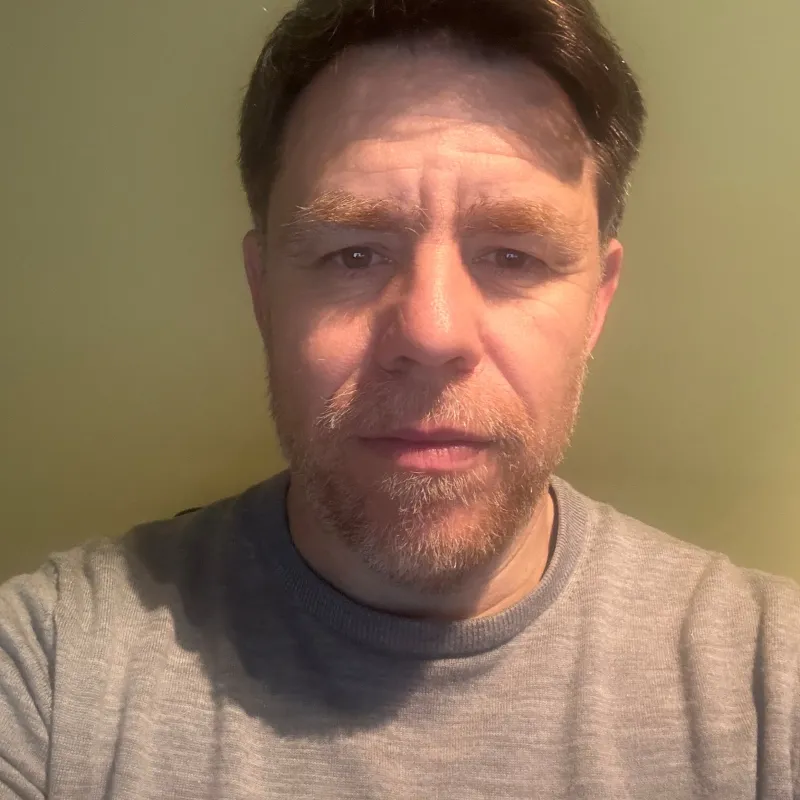
Dr. Thanos Gkritzalis is a Marine Research Engineer with over 15 years of experience in the science and technology of aquatic systems, ranging from marine ecosystems to industrial water treatment facilities. His expertise spans inorganic analytical chemistry, engineering, and project management. Thanos began his career as a Chemical Engineer, applying his knowledge in the water and wastewater treatment industry. He later transitioned into academia, where he developed and deployed equipment for sampling and monitoring aquatic environments. This work evolved into designing and supporting equipment for open ocean moorings and participating in scientific research cruises.
Since 2013, Thanos has been involved with the Integrated Carbon Observation System (ICOS), managing two ocean stations in Belgian waters: RV Simon Stevin (SOOP) and VLIZ Thornton Buoy (FOS), which involves design and implementation of systems for measuring a number of parameters such as CO2, Dissolved Oxygen, Temperature, Salinity, etc. In 2017, he was appointed Vice Chair of the ICOS Oceans Monitoring Station Assembly (MSA), and in 2019, he became MSA’s Chair. Thanos also contributes to the ICOS Research Infrastructure Committee and is an active member of the Global Group of the Surface Ocean Carbon Atlas (SOCAT).
In SOCONET, beyond providing his expertise as operator of various types of platforms and his experience with designing and running an instrument and sensor intercomparison, Thanos will strengthen the network’s capacity to implement a clear and sustained labeling process across the identified Tiers as well as will be a critical connection to the SOCAT data quality protocols.
Steering Committee Member
Denis Pierrot
USA
Email:
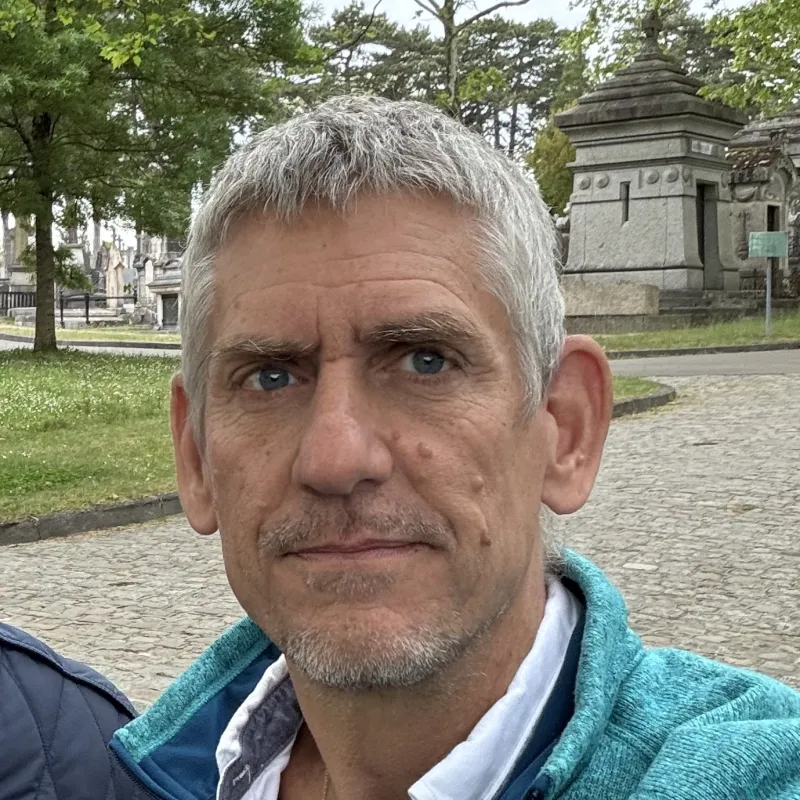
Denis Pierrot is a Research Physical Scientist at NOAA’s AOML OCED. He earned his PhD in Physical Chemistry from the University of Miami in Florida. During his PhD, he became involved with inorganic carbonate chemistry and its instrumentation. In 2006, he joined the Cooperative Institute of the university of Miami (CIMAS) to help develop surface pCO2 measurements on ships. He integrated the federal work force at AOML in 2020 where he now leads the NOAA Global Ocean Monitoring and Observing (GOMO) funded SOOP-CO2 program, a major provider of surface pCO2 data with about 15 vessels collecting data throughout the world.
Denis became involved with carbonate chemistry as a student of Dr. Frank Millero where he developed instruments and programs to improve the measurements. In 2005, he participated in the development of the state-of-the-art instrumentation now used on most SOCONET platforms and oversaw the technology transfer to the company General Oceanics, Inc. which now builds the systems for the worldwide scientific community. He has been very active in the promotion of standard operating procedures and best practices ranging from the installation of underway systems on ships to data processing. He developed a software to help users in the quality control of the pCO2 data. From the start, he has participated in the development of the Surface Ocean CO2 Atlas (SOCAT) which has become instrumental for the achievement of SOCONET’s goals.
At AOML, Denis’ research group is one of the few in the US to be able to measure all four carbonate parameters (TA, DIC, pH and pCO2) at climate quality level and leads several programs monitoring Ocean Acidification conditions in the South and Eastern seaboard of the United States by participating in coastal cruises, as well as collecting samples analyzed in lab. He is also involved in the development of a center of production for carbonate reference materials similar to the CRMs produced at Scripps by Dr. Andrew Dicson, as a service to the community. But his main activity is to oversee the operation of 8 ships collecting surface pCO2 data mostly in the North Atlantic, Caribbean Sea and Gulf region.
Denis’ research interests are geared toward continuing to improve inorganic carbonate measurements in general, and in particular, help build and expand SOCONET by developing a structured framework based on standardized protocols, innovated technology and strong international collaborations and technical exchanges.
Steering Committee Member
Louise Delaigue
06230 Villefranche-sur-mer, France
Email:
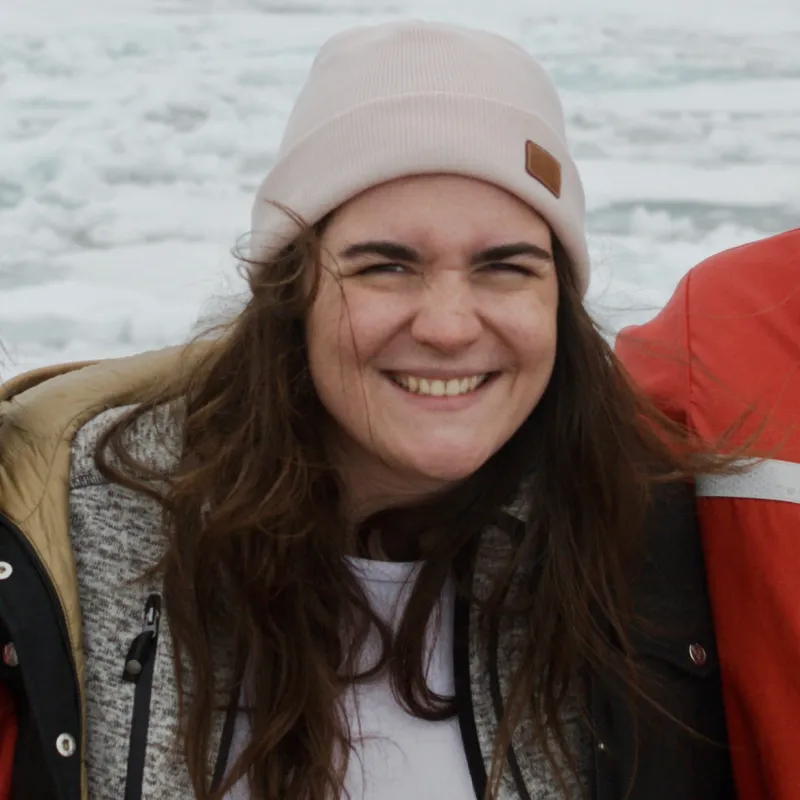
Louise completed her PhD at Utrecht University in collaboration with the Royal Netherlands Institute for Sea Research (NIOZ) and is currently a postdoctoral fellow at the Laboratoire d’Océanographie de Villefranche (LOV, Sorbonne Université–CNRS, France). Her research focuses on quantifying air–sea CO₂ exchange and resolving the mechanisms that shape regional and global variability in the marine carbon cycle.
She integrates and tests new sensors on autonomous observing platforms, including BGC-Argo floats, and combines these observations with global datasets such as SOCAT and GLODAP, as well as machine-learning approaches, to improve constraints on ocean carbon exchange. Her recent work spans high-resolution carbonate-system measurements, passive-acoustic wind retrieval from profiling floats, and global assessments of biological-carbon-pump redistribution.
Within the Horizon Europe TRICUSO project, Louise develops methods to retrieve in situ wind speeds from acoustic sensors integrated into biogeochemical Argo platforms, with the goal of improving estimates of the Southern Ocean CO₂ sink. She also contributes to observing-system simulation experiments (OSSEs) that quantify how these new autonomous data streams reduce uncertainties in regional and basin-scale air–sea CO₂ fluxes, supporting the design of next-generation carbon-cycle observing strategies.
As an early-career member of the SOCONET Steering Committee, she is committed to advancing the inclusion of emerging autonomous measurements within coordinated network frameworks, strengthening interoperability across platforms, and improving the robustness, quality control, and accessibility of global surface-ocean CO₂ observations.
Steering Committee Member
Siyabulela Hamnca
Rosebank
Cape Town, South Africa
Email:
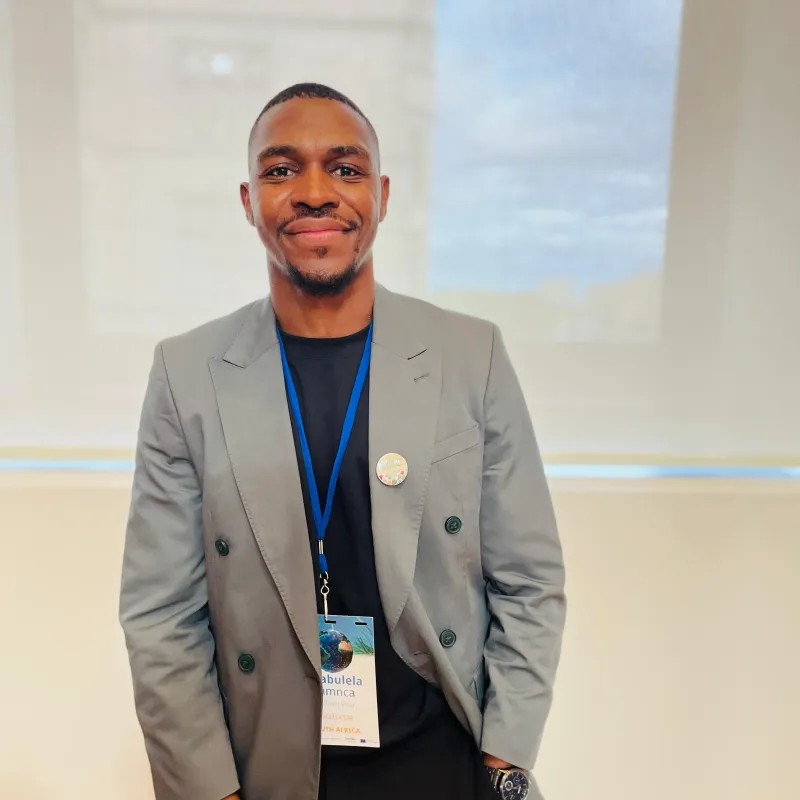
Dr Siyabulela Hamnca is a researcher at the Southern Ocean Carbon-Climate Observatory (SOCCO), a research programme hosted at the Council for Scientific and Industrial Research, South Africa. Siyabulela specializes in investigating the dynamics of the ocean carbonate system in the Southern Ocean and coastal waters (in partnership with the Department of Forestry, Fisheries, and Environment (DFFE), South Africa) by combining ship-based observations with in situ sampling and laboratory analysis of key carbon variables.
In addition, Dr Hamnca is committed to building capacity in the marine carbon removal field and establishing baseline observations to support emerging marine carbon dioxide removal (mCDR) technologies in Southern Africa, while promoting a deeper understanding of the fundamental science behind marine chemistry, oceanography, and climate research.
Steering Committee Member
Vlad Alexandru Macovei
21502 Geesthacht
Germany
Email:
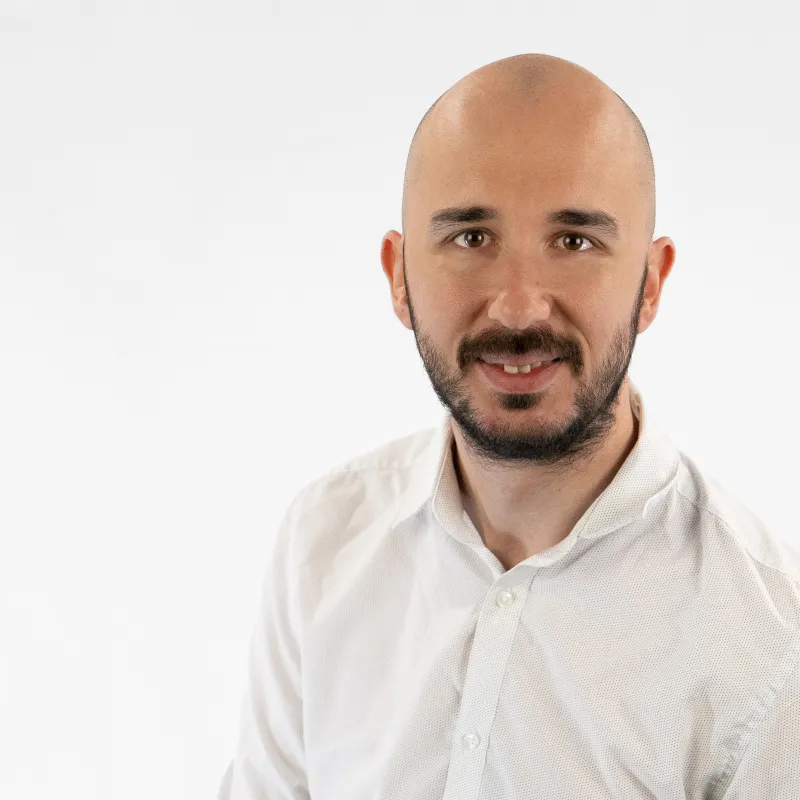
Vlad Macovei holds a PhD in Marine Biogeochemistry from the University of Southampton and National Oceanography Centre, UK, where he worked on nutrient and carbon variability in the North Atlantic Ocean. He used observations from research cruises and Ships-of-Opportunity to investigate trends and anomalous events. He then moved for a Postdoc position to the Helmholtz Zentrum Hereon in Geesthacht, Germany, where he continued working with Ships-of-Opportunity observations, but in a more coastal and shelf sea setting.
During his time here, Vlad has improved his knowledge on available pCO2 instrumentation, publishing several intercomparison studies and participating as a core working group member in the ICOS pCO2 Instrument Intercomparison 2021. Since 2024, he has joined the SOCAT Global Working Group as an expert sensor user.
Part of the SOCONET SC, Vlad will work towards the goal of a global sustained network of ocean carbon observations by encouraging and facilitating SOCAT data submissions, with a particular goal of improving our network of observations in the Black Sea.
Steering Committee Member
Patrick Martin
50 Nanyang Avenue.
Block N2-01C-63
Singapore 639798
Email:
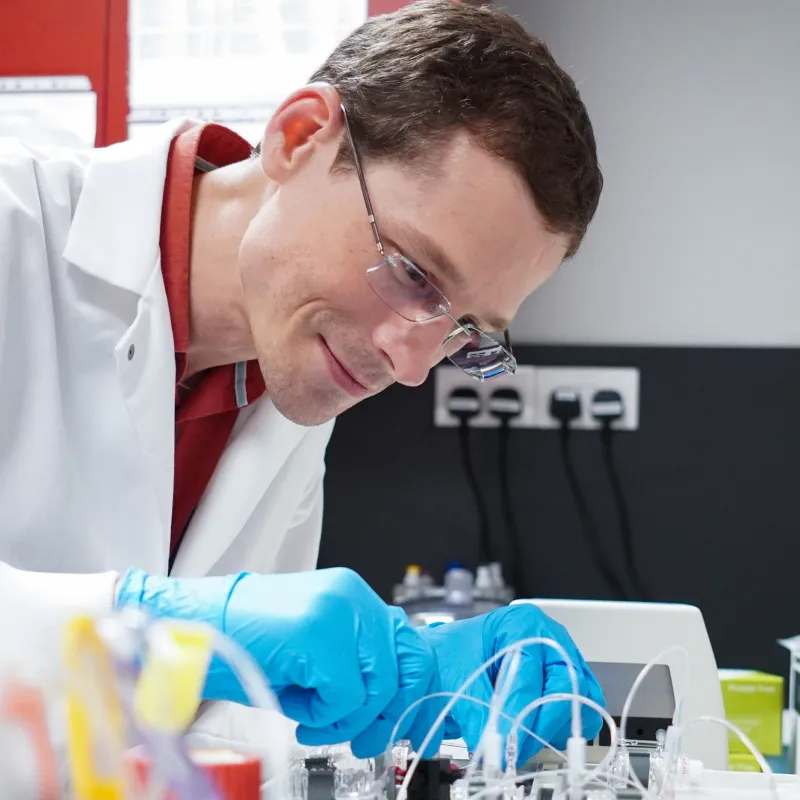
Patrick Martin is a biogeochemist who has worked on carbon cycling from the open ocean to coastal margins. He has a Bachelor’s degree in Biology from the University of York (UK) and a Ph.D. in Oceanography from the University of Southampton (UK). His doctoral research focused on the sinking flux of particulate organic carbon in the open ocean, the so-called Biological Carbon Pump. He then worked as a postdoctoral researcher first at Woods Hole Oceanographic Institution (USA), studying phytoplankton phosphorus physiology, and then at Nanyang Technological University (Singapore), where he started working on coastal biogeochemistry.
Patrick started his own research group at Nanyang Technological University in 2016 and is now an Associate Professor. His research interests broadly revolve around carbon and nutrient cycling in tropical coastal environments, with a particular focus on land-to-sea fluxes of organic carbon. One of the key questions motivating Patrick’s research is how the biogeochemical degradation of terrestrial organic carbon influences coastal seawater CO2 chemistry, and how this will influence coastal ocean acidification rates. His research group has operated a monthly biogeochemical time series in the Singapore Strait since 2017, which includes a strong focus on seawater carbonate system measurements. He is a co-investigator in Singapore’s Marine Environment Sensing Network project, which has deployed mooring buoys measuring seawater pCO2 and pH amongst other parameters. Patrick has active collaborations with research teams in Malaysia, Indonesia, and Thailand, who are working together to better coordinate coastal carbonate system measurements in Southeast Asia.
Steering Committee Member
Sebastiaan van de Velde
Marine Science | Te Tari Pūtaiao Taimoana
Room G.S08, Geology Building, 360 Leith Street, Dunedin | Ōtepoti
New Zealand | Aotearoa
Email:
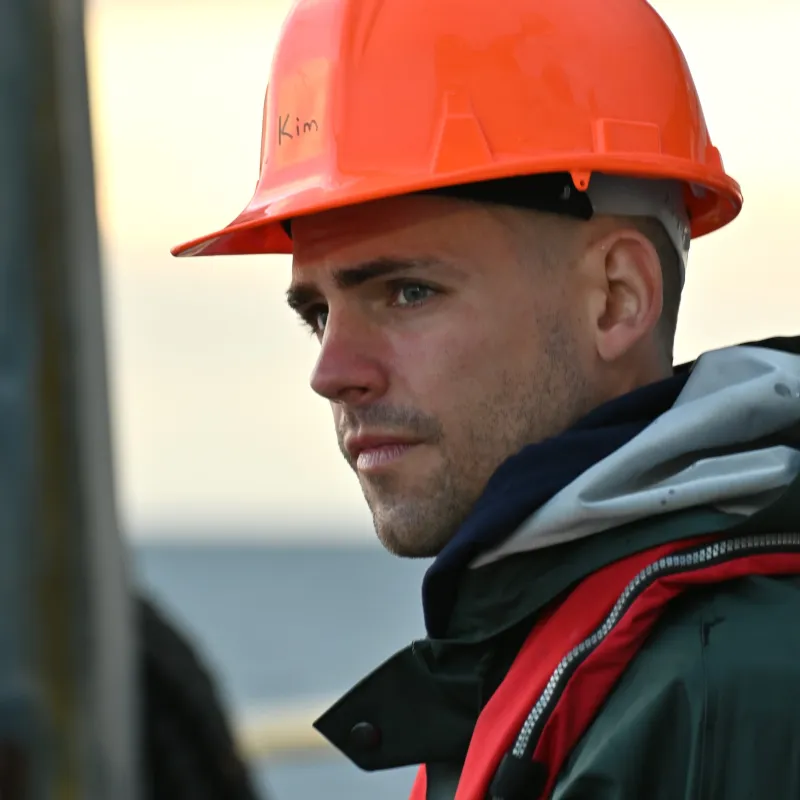
Dr. Sebastiaan van de Velde is a lecturer at Ōtākou Whakaihu Waka University of Otago (Aotearoa New Zealand) and head of the Earth Sciences New Zealand carbonate chemistry facilities. He graduated from the Vrije Universiteit Brussel and University of Antwerp (Belgium) in marine chemistry. After 2 years as a postdoctoral fellow at the University of California, Riverside (USA) he spent three years as a senior researcher jointly at the Free University of Brussels and the Institute of Natural Sciences (Belgium). After returning for one year to the University of Antwerp as a senior researcher, he moved to his current position in Aotearoa New Zealand. His research centres on coastal oceans, with a specific focus on alkalinity and carbon cycling, the importance of seafloor processes, and the impact of anthropogenic activities. He is responsible for maintaining the 'Munida' carbonate chemistry time series, which has been measuring carbonate chemistry parameters since 1998, and runs from coastal/neritic waters, over Subtropical waters, to Subantarctic surface waters.
Sebastiaan is currently also chairing the training and outreach committee of the European Association of Geochemistry, and contributing to the ICES working group on Fisheries Benthic Impacts and Trade-offs (WGFBIT) and the Research Coordination Network for Marine Ecological Time Series (METS-RCN). Within SOCONET, he will be exploring the requirements to allow inclusion of carbon isotopic signatures into the SOCAT data product, as well as expanding the reach of SOCONET by supporting training activities by building upon the training efforts of the ocean acidification network.
Steering Committee Member
David Munro
Boulder, Colorado
USA
Email:
David Munro is a research scientist with the Cooperative Institute for Research in Environmental Sciences (CIRES) at the University of Colorado Boulder and NOAA’s Global Monitoring Laboratory (GML). Based in GML’s Technology Transition, Engineering, and Applications (TTEA) Division, he works at the intersection of ocean–atmosphere observing systems and marine biogeochemistry, with a focus on carbon-cycle dynamics. Before joining CIRES, David was a research associate at the Institute of Arctic and Alpine Research (INSTAAR) at the University of Colorado. He holds a PhD in Oceanography from the University of Washington and MS and BS degrees in Earth Systems from Stanford University.
Dr. Munro’s research centers on quantifying air–sea carbon dioxide exchange using ship-based measurements. He and his TTEA colleagues develop and deploy instrumentation to measure surface-water pCO2 and atmospheric greenhouse gases from research vessels and ships of opportunity, with particular emphasis on high-latitude regions where biogeochemical fluxes remain poorly constrained. David has been a longtime collaborator with NOAA’s Global Ocean Monitoring and Observing (GOMO) program, contributing to the expansion and long-term continuity of global ocean carbon observations.
A growing focus of his work is expanding the use of atmospheric greenhouse-gas measurements made from ships to advance understanding of regional and global biogeochemical processes. In this effort, he is particularly interested in fostering stronger connections between the ocean and atmospheric biogeochemistry communities.
Steering Committee Member
Siv Kari Lauvset
Jahnebakken 5, 5007 Bergen,
Norway
Email:
Dr Siv Lauvset is a senior scientist at NORCE Research and the Bjerknes Centre for Climate Research in Bergen, Norway. She is a chemical oceanographer by background and her research focus is on analysis of the carbon cycle in the ocean, especially on changes in recent decades, but also on the reasons for, and mechanisms behind, these changes.
Siv focuses on the understanding of the carbon cycle in the ocean, both its natural variabilities and anthropogenic changes, including how such changes will continue into the future. She uses a variety of tools in her research, both observational and model-based, but throughout her career has held a passion for observational data. She once said: “It is very important that we have good observational data to answer societally important questions about the planet's carbon cycle and I have therefore since very early in my career engaged in several international efforts that works to ensure the highest possible quality of observational ocean carbon chemistry data, the open access to all such data, and the collaboration necessary to achieve these targets”. With that attitude Siv’s role on the SOCONET SC will be one of bridging the known quality observations with FAIR data management systems.
Siv has worked with SOCAT since 2008 and GLODAP since 2012, and she has been co-chair of GLODAP since 2020. Siv have been coordinating the Norwegian node of the Integrated Carbon Observing System (ICOS), ICOS Norway and OTC, since 2018. She has worked as a BGC DMQC operator in Argo since 2018, working primarily with oxygen and pH data from Argo floats in the Nordic Seas and Arctic Ocean. Finally, she has also been a member of the international GO-SHIP Science Committee since 2024, primarily as a GLODAP liaison.
Steering Committee Member
Rodrigo Kerr
Universidade Federal do Rio Grande - FURG
Av. Itália km 8, s/n, Rio Grande - RS, Brasil, 96203-900
E-mail:
Rodrigo Kerr is an Associate Professor at the Institute of Oceanography of the Federal University of Rio Grande – FURG. He holds a PhD and Marster’s Degree in Oceanography and an Undergraduate Degree in Marine Biology. His research group focuses on Physical Oceanography and Marine Biogeochemistry, with main interest to better understanding the marine carbon cycle variability and changes. To tackle this, our studies are performed across distinct environments and temporal-spatial scales and focus on studying (i) the ocean ventilation and water mass evolution processes, and the (ii) variability and drivers of marine CO2-carbonate system variables, through studies that investigate the sea-air CO2 exchanges, coastal and ocean acidification, and anthropogenic carbon storage. His team is responsible to maintain, since 2015, the monthly monitoring of total alkalinity, pH and total dissolved inorganic carbon in the Patos Lagoon Estuary, south Brazil.
Currently, Rodrigo is the Coordinator of the CARBON Team research group at FURG, Co-Chair of the Brazilian Ocean Acidification Network (BrOA) and High Latitude Oceanography Group (GOAL), and member of the SSC of the National Ocean Observation and Monitoring Network (INCT-ReNOMO). The latter aims to implement pCO2 sensors (and expand pH sensors) on the current SiMCosta national program of buoys along the entire Brazilian coastline. He is also contributing to the activities of the National Institute of Science and Technology of the Cryosphere and National Institute of Science and Technology of the Blue Amazon Biodiversity, being responsible to sample and analyses of the marine CO2-carbonate system variables on multiple ocean cruises in the Southern Ocean and South Atlantic Ocean. He is also a full member of the SCOR Working Group 168: Coordinating the Development of Gridded Four-Dimensional Data Products from Biogeochemical Argo Observations (4D-BGC). Recently, Rodrigo served as co-chair of the Latin American Ocean Acidification Network (LAOCA) and as a member of WSDM Working Group of SOOS. Rodrigo also has been responsible to coordinate several oceanographic cruises in the Southern Ocean and South Atlantic Ocean, and supervised PhD and Master’s candidates on the themes of Marine Biogeochemistry.
Within SOCONET, Rodrigo aims to integrate and facilitate the connection between this network and those within Latin America, mainly through the current networks (e.g. LAOCA, REMARCO, BrOA, INCT-ReNOMO etc.) working on measure the partial pressure of CO2 (pCO2) from ships, buoys and moorings, and also encouraging the acquisition of high-quality data under the FAIR principles.
Steering Committee Member
Craig Neill
3 Castray Esplanade
Battery Point, TAS 7004
Australia
Email:
Craig is a Senior Experimental Scientist at Australia’s Commonwealth Scientific and Industrial Research Organization (CSIRO) in Hobart, Tasmania, where he has worked since 2009. His work involves maintaining underway pCO2 instruments on 3 ships, a pCO2 test/calibration facility and development of new instruments and methods. Craig received a BSc in Physics from Washington State University in 1991. From 1992-1994 he worked at Brookhaven National Laboratory where he developed a method for measuring pCO2 in discreet samples. From 1994-2003 Craig ran his own company building analytical instruments for various gases in seawater, including prototype versions of what has become the most widely used instrument for shipboard climate-quality underway pCO2 measurements. From 2003 to 2009 he was at the University of Bergen where he ran underway pCO2 instruments on 5 vessels and developed a method for multi-point calibration of oxygen optode sensors.
Craig has a broad interest in improving the quality of surface ocean pCO2 measurements through instrument development, training and inter-comparison exercises. Recent development work includes quantifying uncertainties in the water vapour corrections of gas analysers, adding N2O measurement capability to underway pCO2 systems and a novel method for high-accuracy DIC measurements. Craig’s interest in training has seen him heavily involved in all 3 of the IOCCP’s summer courses on biogeochemical sensors. He has participated in 4 international pCO2 inter-comparison exercises, helped organise the 2021 ICOS-OTC pCO2 Instrument Intercomparison, and has run several small at-sea inter-comparisons to improve understanding of instrument performance and identify the source of uncertainties.
In SOCONET Craig will be instrumental for development of continuous improvements in the quality and quantity of surface ocean greenhouse gas measurements. He will support instrument inter-comparisons to understand the cause of disagreement between sensors; strive to improve training on the installation & use of sensors and QC of data, and will be a connection with the sensor technology community.
Ex-officio Expert Advisor
Kathy Tedesco
Boulder, CO 80307-3000
303-497-8666
USA
Email:
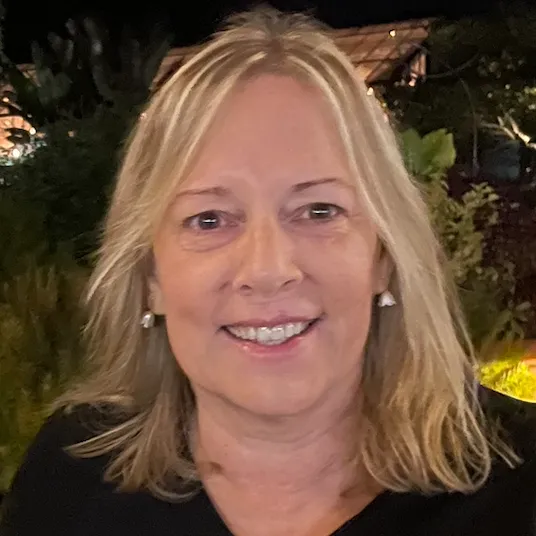
Dr. Kathy Tedesco is the Program Manager for the NOAA Global Ocean Monitoring and Observing (GOMO) Program’s Ocean Carbon and Biogeochemistry Observing portfolio, where she supports global ocean observations, research, modeling, data synthesis, and product development efforts. Her work advances coordinated U.S. and international ocean carbon and biogeochemistry observing systems such as SOCONET and GO-SHIP, and supports the development of global data products including SOCAT and GLODAP that are essential for understanding and predicting changes in the global ocean. In 2024, Kathy played a pivotal role in securing $6.5 million from the Biden Harris Administration Bipartisan Infrastructure Law (BIL) to upgrade instrumentation on research vessels and volunteer commercial vessels, moorings and autonomous surface vehicles, significantly expanding SOCONET’s capacity and sustainability.
Kathy holds B.S. in Geology from Stony Brook University and an M.S. in Geological Oceanography from the University of Colorado Boulder. She earned her Ph.D. from the University of South Carolina, focusing on reconstructing Late Holocene climate across the circum-Caribbean as part of the CARIACO Time-Series Project. A veteran of ocean research, she has participated in more than 25 hydrographic and marine sediment cruises.
Kathy began her professional career at NOAA in 2002, managing the Global Carbon Cycle Program within the Climate Program Office. She later held the role of Director of the International Ocean Carbon Coordination Project (IOCCP) from 2009 to 2012. Following this position, she returned to U.S. government service, first as a Program Scientist in NASA’s Ocean Biology and Biogeochemistry Program and then in her current leadership position at NOAA GOMO.
Kathy maintains active engagement with federal agency managers across NOAA and partner agencies, participating on steering committees, task teams, and working groups. She has served as co-chair of the USGCRP Carbon Cycle Interagency Working Group and represents NOAA on the National Oceanographic Partnership Program Interagency Working Group. She chairs NOAA's SOCONET Principal Investigator meetings, and is a member of the NOAA GHG Technical Team and the Certified Reference Material (CRM) Subcommittee. She was a member of the Executive Writing Team responsible for developing the first-ever NOAA OAR Ocean Carbon Observing Science Plan FY25–FY35, and is currently supporting the development of the Third Decadal U.S. Carbon Cycle Science Plan.
Being able to benefit from Kathy’s extensive and multi-faceted expertise is a huge privilege for the SOCONET SC and we are very grateful for her dedication and continuous enthusiasm towards expanding global surface ocean carbon and biogeochemistry observing capacity.
SOCONET Technical Coordinator
Kevin O'Brien
1625 Route de Sainte Anne
Z.I. Pointe du Diable
Bâtiment Blaise Pascal
29280 Plouzané, France
Email:
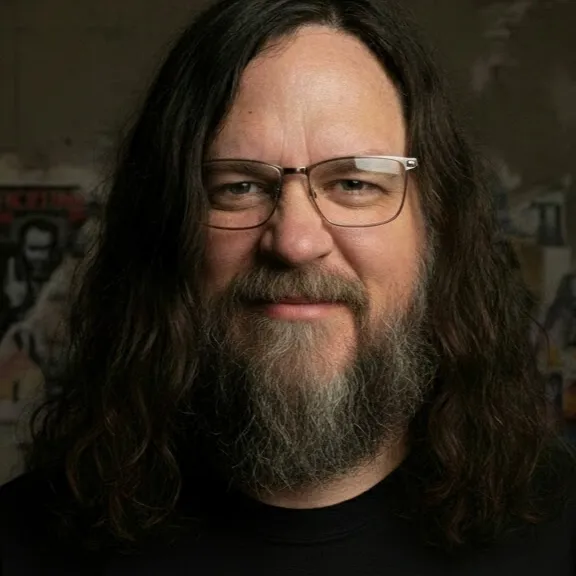
With over 13 years of experience leading data management for the Surface Ocean CO2 Atlas (SOCAT), Kevin has played a pivotal role in implementing the data submission systems that underpin the SOCAT annual global releases. As a member of the SOCAT global group, Kevin has fostered deep connections across the scientific and data management communities which will allow for a seamless transition into his current role of SOCONET Technical Coordinator at OceanOPS.
A champion of FAIR data principles, Kevin serves as the inaugural Vice-chair for Data and Information for the Global Ocean Observing System (GOOS) Observations Coordination Group, where he collaborats with 16 global networks to enhance data interoperability. He is deeply involved in international strategy, having co-chaired the development of the UN Ocean Decade Data Strategy Implementation Plan and led the UN-endorsed "Open Access to GTS" project. Kevin is dedicated to making global ocean data accessible, usable, and impactful. An experienced Principal Investigator, Kevin combines strategic vision with a long-standing dedication to the success of the global ocean networks.
SOCONET Coordinator
Maciej Telszewski
81-712 Sopot, Poland
Email:
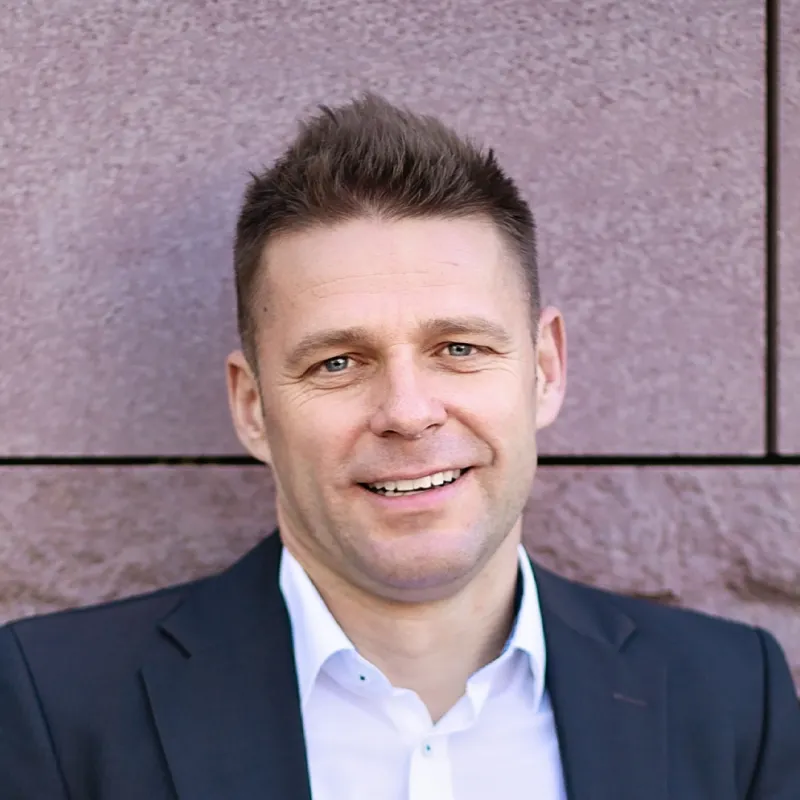
Maciej Telszewski holds a PhD in Marine Biogeochemistry from the University of East Anglia (Norwich, UK), where he worked with surface ocean carbon data to develop an efficient neural network algorithm allowing basin scale mapping of this parameter in the North Atlantic. He then moved to Japan, where he joined a research group at the National Institute for Environmental Studies (Tsukuba) to further improve the statistical computing approach. His work resulted in successful mapping of surface carbon and nutrients fields in the North Pacific accompanied by fluxes estimates included in the RECCAP synthesis.
Throughout his research carrier he was actively involved in field campaigns, contributing surface measurements to the Surface Ocean CO2 Observing Network (SOCONET) and ocean interior measurements to the Global Ocean Ship-based Hydrographic Investigations Program (GO-SHIP). In 2011 Maciej joined the Intergovernmental Oceanographic Commission of UNESCO (Paris, France) initially as a Deputy Director of the International Ocean Carbon Coordination Project and since mid-2012 as IOCCP’s Project Director (and Global Ocean Observing System (GOOS) Biogeochemistry Expert Panel Executive Officer). In this role he coordinates the highly diverse set of ocean carbon and biogeochemistry activities through extensive collaboration and dialogue with the scientific community via national and international organizations, scientific steering committees, scientific workshops, and expert meetings.
https://www.researchgate.net/profile/Maciej_Telszewski/research