
APPLICATIONS CLOSED
About the Training Course
Challenge
While it is well recognized that the ocean plays a critical role in climate variability, seasonal-to-decadal climate forecast as well as weather forecast, it is paramount to remember that the evaluation of all models allowing us to understand ocean’s role in the weather/climate system relies on ocean observations to improve their skill and to enable them to provide reliable information. Well ground-truthed models are also essential for guiding national and international policies that relate to resources such as fisheries, aquaculture or water supply as well as warning systems and a variety of coastal applications such as energy production, recreation, pollution and more.
Thus the quality of the weather and climate services as well as the assessment of the current state of the ocean ecosystem regionally and locally, relies on a comprehensive and timely set of ocean observations. The ocean observing system is used by an increasingly diverse user group from fundamental underpinning ocean research to real-time numerical weather forecast, near-term prediction services, all the way to governmental and non-governmental management and policy making.
The biggest challenge in ocean observing is that the ocean properties vary on a number of spatio-temporal scales and it is necessary to obtain high quality, high resolution measurements across all these scales in order to inform this ever-increasing portfolio of needs. Ocean technology has leapt to the aid of scientists by providing them with cost-effective sensors that can take autonomous measurements of essential ocean variables with the aim of improving data coverage worldwide and therefore complement efforts carried out by traditional ship-based sampling.
However, there remains a gap between the technology and the end-user. This gap is born primarily out of lack of training in sensors’ use as well as disconnect between data gathering and data quality assurance as required for various applications across the ocean domain.
Solution
Focused on biogeochemical Essential Ocean Variables and to help train the new generation of marine observers in the appropriate use of a suite of biogeochemical sensors and to assure the best possible quality of the data produced, the IOCCP and the Integrated Carbon Observation System Ocean Thematic Centre (ICOS OTC) will hold a 13-day training workshop on "Instrumenting our ocean for better observation: a training course on a suite of biogeochemical sensors".
Building on the success of the First Training Course held in 2015 and the Second Training Course held in 2019, we decided to respond to the growing demand of the global ocean marine biogeochemistry observing community for expanding the correct usage of and generation of information from a suite of autonomous biogeochemical sensors.
This intensive workshop will provide trainees with lectures and hands-on experience across the whole spectrum of operations from deployment and interfacing, through troubleshooting and calibration, to data reduction, quality control and data management. In addition, participants will be given an overview of the use of remote sensing, modelling and smart data extrapolation techniques to broaden their perspectives and effectively open new avenues for exciting research ideas and collaborations. While teaching established best practices for selected biogeochemical sensors and autonomous measurement systems, Course instructors will provide ample guidelines and practical tips regarding specific reporting requirements (e.g. meta-data, calibration, validation, error estimates, formats, etc.). This training course is ideally suited for the next generation of users of large scale biogeochemical ocean observation networks centred around profiling floats, moorings and gliders as well as research and commercial vessels.
Perhaps most importantly, as stated consistently by the participants of previous editions in their evaluations, the course provides a unique opportunity to form a tight and long-lasting network of biogeochemical sensor users, combining experts with beginners, coming from a wide range of countries on all continents and representing groups and communities in various phases of technical, logistical and financial development. The importance of networking enabled by this workshop will be revealed in short, medium and long term strengthening our community as a whole and every individual involved.
Course Program & Lecturers
Course program and format
The course program will consist of lectures, practicals and group assignments and is designed around the following specific objectives:
- Teach best practices for biogeochemical sensors with the aim of improving the data currently generated encompassing all steps from pre-deployment calibration to data synthesis and dissemination.
- Work on data reduction and data quality control practices for sensor data, including specific reporting requirements (e.g. meta-data, calibration, validation, error estimates, formats, etc.).
- Present selected methods (statistical modelling, intelligent data exploration techniques) and tools (remote sensing data, mathematical model outputs) for the development of secondary data products (parameter distribution maps, fluxes and budgets).
- Foster critical thinking regarding the design of an optimum sampling strategy dedicated to solving specific problem.
- Develop the ability to place specific observing activity in the wider context of local, regional and global ocean’s role in climate, operational services and ocean health.
During the course, we will focus on sensors related to five groups of parameters:
- Oxygen - with optode and electrochemical sensors,
- Particulate Organic Carbon - with e.g. fluorometer, backscatter and radiometers,
- pH - with a range of sensors available: a) colorimetric reagent method, b) field effect transistor type sensor, and also c) benchtop surface application,
- pCO2 - with a range of sensors available: a) membrane based sensors with NDIR, b) colorimetric, c) otpodes, and d) underway General Oceanic system
- Nitrate - with spectrophotometric and colorimetric reagent method sensors
Paramater |
Instruments & sensors |
| Chl-Fluorescence / Optical Backscatter | ac-s, Eco-Chla, FDOM |
| nitrate | SUNA, OPUS |
| pH | SAMI-pH, ISFET, Pyroscience optical |
| pCO2 | Contros, Pro-Oceanus, SAMI-pCO2, GO, VEGAS |
| Total Alkalinity | SAMI-TA, HydroFIA |
| O2 | Aanderaa, Sea-Bird, RBR, Pyroscience |
During hands-on sessions, participants will be divided into groups, each assisted by 1-2 dedicated instructor(s). Groups will take turns in exchanging sensors used in the practical sessions of the course. Ultimately and regardless of prior experience with any or none of the sensors, each participant will receive basic training for all sensors that the course focuses on. As preparation for the course, participants will be requested to familiarise themselves with a number of background documents and videos to enable the most effective use of time during the Course.
The course agenda and an overview description of the course sessions will be made available in early 2023.
Course instructors
The final list of instructors will be confirmed in the first quarter of 2023, along with a draft course agenda. Our course instructors are experts with great experience in the application of biogeochemical sensors and marine biogeochemistry research in general. Each will be present during the course as a lecturer and/or practical session instructor. We have arranged for the experts to stay in Kristineberg for a few days to give the course participants the opportunity to interact with leaders in the field both in a formal and informal setting. Our list of already confirmed lecturers includes the following names:
 |
Dariia Atamanchuk Research Associate - Ocean Science & Technology, Chemical Oceanography Ocean Frontier Institute (OFI), Dalhousie University Halifax, Canada |
|
Dariia (Dasha) Atamanchuk is a Research Associate at the Department of Oceanography, Dalhousie University, Canada. Dariia holds a PhD in Marine Chemistry from University of Gothenburg, Sweden, and have been involved in the oceanographic sensor development for the most part of her doctoral and postdoctoral work. Her research focuses on the use of sensors and autonomous platforms for sustained biogeochemical ocean observations. She’s a research scientist on the SeaCycler project, an autonomous underwater winch profiler, and the Volunteer Observing Ship project (VOS) at Dalhousie University. Dariia collaborates nationally and internationally with industry and institutional partners (NOAA-PMEL, Scripps, GEOMAR, MUN, etc). Her scientific interests cover air-sea fluxes, ocean productivity measurements, mechanisms of supply and transport of CO2 and oxygen in the Northwest Atlantic and the Labrador Sea, in particular. Dariia maintains her involvement in international inter-comparison exercises of submersible, underway and bench-top instrumentation for dissolved gases, carbonate system measurements and nutrients. |
|
 |
Andrew Dickson Professor - Marine Chemistry Scripps Institution of Oceanography University of California, San Diego, USA |
| Andrew Dickson is a professor of marine chemistry at the Scripps Institution of Oceanography, University of California, San Diego. Since the 1990s he has played a key role in improving measurements of oceanic CO2 system properties, and leads a program to prepare, certify, and distribute CO2 reference materials to the world’s marine scientists. His research interests include: ocean acidification, quality control of oceanic carbon dioxide measurements, biogeochemistry of the upper ocean, marine inorganic chemistry, thermodynamics of electrolyte solutions, and the analytical chemistry of carbon dioxide in seawater. He has participated in a wide variety of training workshops aimed at improving seawater CO2 measurement capacity around the world. | |
|
|
Craig Neill Research Engineer CSIRO Oceans and Atmosphere Hobart, Australia |
|
Craig Neill has been working as a research engineer at CSIRO Oceans and Atmosphere in Hobart, Australia since 2009, where he has developed new technology for ocean carbon measurements and underway observing systems on ships. From 2003-2009 he was at the Bjerknes Centre for Climate Research in Bergen where he developed one of the first systems for accurate multipoint calibration of oxygen optodes. From 1994 – 2003 he ran a small company in Seattle developing, manufacturing and utilising numerous systems for measurement of dissolved gasses in the ocean, including TCO2, CFC’s, SF6 and an underway pCO2 system which has ben used as the basis for one of the most common commercial systems (General Oceanics). At Brookhaven National Laboratory (1992-1994) he developed a system for measuring pCO2 of discreet water samples. Craig’s work has always been very hands on, having participated in over 50 research cruises. He has a BS in Physics from Washington State University.
Craig maintains an ongoing interest in best practices and education. He was a member of the Scientific Steering Committee and lecturer at the 2015 IOCCP Sensors Summer Course and a is a contributor to the Guide to Best Practices for Ocean CO2 Measurements. |
|

|
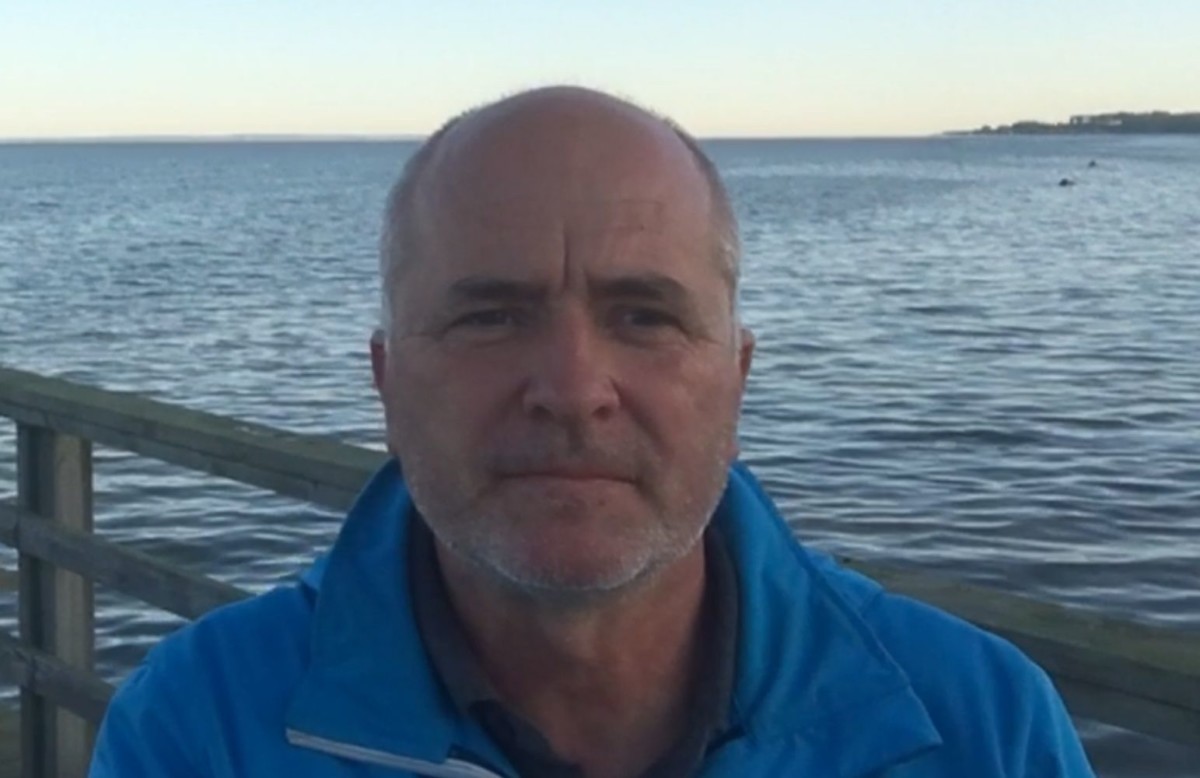
Anders Tengberg Product Manager & Scientific Advisor Xylem/Aanderaa Data Instruments AS Bergen, Norway |
|
Ellen M. Briggs Assistant Professor - Ocean & Resources Engineering University of Hawai’i at Mānoa Honolulu, HI, USA |
|
Ellen M. Briggs holds a PhD in Oceanography from Scripps Institution of Oceanography where she primarily focused on developing an in situ pH and Total Alkalinity (AT) sensor that utilizes ion sensitive field effect transistor (ISFET) technology bringing it from proof of concept to early-stage field deployment. She continues to advance the technology readiness level of the pH-AT sensor in her current position as Assistant Professor in the Ocean and Resources Engineering Department at the University of Hawaii at Manoa. Briggs’ research group is very diverse with national and international students coming from various backgrounds ranging from Chemistry to Mechanical Engineering. Her group primarily focuses on adapting the ISFET-based pH-AT sensing technology for a variety of applications including benthic sampling, probing boundary layers of coral, monitoring mesocosm experiments, and integration with various platforms such as moorings and drifters. Briggs has been involved in programs such as the SOCCOM (Southern Ocean Carbon and Climate Observations and Modelling) project, the OOI Biogeochemical Sensor Data Best Practices working group, participated in several GO-SHIP cruises including as Co-Chief, and is actively involved in ocean-based carbon dioxide removal discussions with associated monitoring, reporting, and verification.
|
|
 |
Jannine M. Lencina Avila Research scientist Marine Chemistry Department Leibniz Institute for Baltic Sea Research Warnemünde Rostock, Germany |
|
Jannine is a research scientist specialist on the marine carbonate system and is currently a member of the RETAKE project, working on understanding the benefits and impacts of applying alkalinity enhancement in the coastal waters of the Baltic Sea. Since her Master's, she has gained experience working with all four main carbonate system parameters using different instruments, such as underway pCO2 and closed-cell titration systems. Jannine holds a Ph.D. in Oceanologie from Université de Perpignan Via Domitia, France, where she assessed the acidification status of Southern Ocean areas by applying a range of carbonate system data sets and performing in-situ total alkalinity and total inorganic carbon measurements. In recent years, she has focused on improving spectrophotometric pH measurements in coastal waters by assessing state-of-the-art pH measuring systems, which results have collaborated to strengthen coastal monitoring programs. Jannine participated in the 2019 edition of the IOCCP BGC training course and is excited to collaborate this year! |
|
 |
Adrienne Sutton Assistant Professor - Oceanography, University of Washington NOAA Pacific Marine Environmental Laboratory Seattle, WA, USA |
|
Adrienne is an Oceanographer at NOAA’s Pacific Marine Environmental Laboratory (PMEL) and an Affiliate Assistant Professor at University of Washington’s School of Oceanography in Seattle, U.S. Her research group focuses on advancing our understanding of the ocean carbon cycle and how it is changing over time. Her team maintains almost 40 moored autonomous time series around the globe in open ocean and coastal ecosystems that track air-sea CO2 exchange and ocean acidification. Her recent publications focus on characterizing natural variability and long-term anthropogenic trends using time series observations and models, uncertainty in observation-based CO2 flux estimates, and modern-day exposure of marine organisms to corrosive carbonate chemistry conditions. Adrienne also collaborates with her team and PMEL engineers on observing technology development. This team was part of the first autonomous circumnavigation of Antarctica in 2019 and has transferred two autonomous air-sea pCO2 observing technologies to industry and nonprofit partners. Adrienne is incredibly passionate about mentoring the next generation of oceanographers, especially those underrepresented in the ocean sciences and also has experience in science communication and policy. Adrienne’s dedication to marine biogeochemistry will no doubt help IOCCP provide our services to the community via a variety of well-designed and efficiently implemented activities. |
|
 |
Yui Takeshita Scientist - Oceanography Monterey Bay Aquarium Research Institute Moss Landing, CA, USA
|
|
Yui received his PhD in Oceanography from the University of California, San Diego. Yui’s main research interests are to develop and apply autonomous sensing technology to observe marine biogeochemical cycles in situ. Most recently, Yui was a Postdoctoral Researcher at the Carnegie Institution for Science, Department of Global Ecology, at Stanford. Yui has received several honors, including the Excellence in Partnership Award from the National Oceanographic Partnership Program (NOPP), the University of California San Diego Directors Fellowship, and the undergraduate academic honor cum laude.
|
|
 |
Giorgio Dall'Olmo Scientist - Earth Observation National Institute of Oceanography and Applied Geophysics - OGS
Trieste, Italy
|
| Giorgio Dall’Olmo is a scientist in the field of Earth Observations, since 2022 working at the National Institute of Oceaography and Applied Geophysics (OGS)specializing in Earth Observations, previously at the Plymouth Marine Laboratory (UK) in 2010-2021. Giorgio holds a PhD from the University of Nebraska-Lincoln during which he developed remote-sensing algorithms for estimating chlorophyll-a concentrations in turbid productive waters. After obtaining his doctoral degree, Giorgio moved to Oregon State University to investigate phytoplankton physiology in the open ocean using remote sensing and in-situ optical measurements. Besides his longstanding passion for marine optics, Giorgio’s main research interest is investigating ocean biology and biogeochemistry by exploiting data from remote sensing and Biogeochemical-Argo floats. Giorgio leads the UK Biogeochemical-Argo programme and is a member of the Biogeochemical-Argo International Steering Team. | |
 |
Nathan Briggs Scientist - Ocean Biogeochemistry and Ecosystems National Oceanography Centre (NOC) Southampton, UK |
| Nathan Briggs is a postdoctoral researcher at the National Oceanography Centre in Southampton, UK. Nathan has been working since 2007 on bio-optical oceanography, and biogeochemistry, and he has developed new techniques for quantifying particle sizes and fluxes using optical backscattering and fluorescence sensors. Nathan obtained his PhD in 2014 from the University of Maine, USA, where he gained a strong foundation in bio-optical sensor technologies, including as a student and later a teaching assistant for the intensive four-week Ocean Optics Summer Class. Nathan obtained a US National Science Foundation fellowship for his first post-doc at the Laboratoire d'Océanographie de Villefranche-sur-mer, France, to study the biological carbon pump using Biogeochemical Argo floats, and he is currently doing similar work using autonomous gliders. | |
 |
Maciej Telszewski Director - International Ocean Carbon Coordination Project institute of Oceanology Polish Academy of Science (IO PAN) Sopot, Poland |
|
Maciej Telszewski holds a PhD in Marine Biogeochemistry from the University of East Anglia (Norwich, UK), where he worked with surface ocean carbon data to develop an efficient neural network algorithm allowing basin scale mapping of this parameter in the North Atlantic. He then moved to Japan, where he joined a research group at the National Institute for Environmental Studies (Tsukuba) to further improve the statistical computing approach. His work resulted in successful mapping of surface carbon and nutrients fields in the North Pacific accompanied by fluxes estimates included in the RECCAP synthesis (http://www.globalcarbonproject.org/reccap/). Throughout his research carrier he was actively involved in field campaigns, contributing surface measurements to the Surface Ocean CO2 Observing Network (SOCONET) and ocean interior measurements to the Global Ocean Ship-based Hydrographic Investigations Program (GO-SHIP, http://www.go-ship.org/).
In 2011 Maciej joined the Intergovernmental Oceanographic Commission of UNESCO (Paris, France) initially as a Deputy Director of the International Ocean Carbon Coordination Project (IOCCP, http://www.ioccp.org/index.php ) and since mid-2012 as IOCCP’s Project Director (and Global Ocean Observing System (GOOS) Biogeochemistry Expert Panel Executive Officer). In this role he coordinates the highly diverse set of ocean carbon and biogeochemistry activities through extensive collaboration and dialogue with the scientific community via national and international organizations, scientific steering committees, scientific workshops, and expert meetings. |
|
|
|
Peter Landschützer Research Director Flanders Marine Institute (VLIZ) Ostend, Belgium |
|
Peter Landschützer received his Master of Science degree in Environmental Systems Science from the University of Graz (Austria) in 2011. In July 2014, he completed his PhD on the variability of the global ocean carbon sink at the University of East Anglia (Norwich, England). From 2014 to 2016, he was a postdoctoral researcher at ETH Zurich, Switzerland before joining the Max Planck Institute for Meteorology and eventually becoming group leader of the research group 'Observations, Analysis and Synthesis'. Since 2022 he now serves as Research Director at the Flanders Marine Institute (VLIZ) where he oversees the research developments of the department.
While being interested in many aspects of the ocean in the Earth system, Peter's research focus is set on ocean biogeochemistry and the marine carbon cycle. His expertise ranges from CO2 measurements through big data modelling using artificial neural networks. The outcome of his work - particularly those building on the Self-Organizing Maps Feed-Forward Network (SOM-FFN) neural network method he developed - has become one of the gold standards in the determination of the role of the ocean for the global carbon cycle, and has served as the basis for a number of highly important papers. This includes his 2015 Science paper on the reinvigoration of the Southern Ocean carbon sink, which demonstrated, for the first time, the importance of decadal variations for the ocean carbon sink, or his demonstration that the seasonal cycle of surface ocean pCO2 has increased substantially in recent decades, with potential important consequences for marine life (Nature Climate Change, 2018). For this and other achievements, Peter was awarded the Outstanding Early Career Scientist award of the Ocean Science division of the EGU in 2019. |
|

 |
Jessica Garwood Assistant Professor Oregon State University USA |
|
Jessica Garwood is an oceanographer who seeks to elucidate the fundamental dynamics that govern small-scale physical-biological interactions, particularly as they relate to plankton or sediment. Her work combines high-resolution, in situ observations with numerical models, and includes new technology development.
Jessica currently holds a joint position with Oregon State University and NOAA. She received her PhD from the Scripps Institution of Oceanography and her Master's degree from Dalhousie University. |
|
 |
Mario Esposito GEOMAR Helmholtz Centre for Ocean Research Kiel, Germany |
|
Mario Esposito's research interests are marine biogeochemistry and chemical oceanography with focus on carbon cycling and inorganic nutrients dynamics. Following his master’s degree in Oceanography at the University of Southampton, he has been involved in several cruises providing measurements of seawater carbon species (DIC, TA, DOC, POC) and nutrients (NO3-, NO2-, PO43-, Si(OH)4 and NH4+). During his PhD he worked with stable carbon isotopes to investigate biogeochemical responses of marine ecosystems to human CO2 perturbation. He was then involved in the STEMM-CCS project as a postdoc and his main task was the assessment of water column baseline from discrete sampling and in-situ deployment of commercial and novel chemical sensors.
Based at GEOMAR he is currently involved in the AIMS3 project where he will be monitoring water column conditions at potential CO2 storage sites via sensor measurements from landers and ROV deployments. He is also involved in the development of a new sensor for in-situ measurements of dissolved inorganic carbon (DIC). |
|
 |
Melf Paulsen GEOMAR Helmholtz Centre for Ocean Research Kiel, Germany
|
| Melf has studied Chemistry at CAU Kiel and first focused on conducting marine CO2 eddy covariance measurements. Being part of the working group of Prof. Arne Körtzinger at GEOMAR Helmholtz Center for Ocean Research Kiel, in his PhD project he investigates the inorganic carbon cycle in oceanic eddys generated in the Mauritanian upwelling. In this context, he took part in a variety of scientific cruises using multiple methods to characterize the system. Furthermore, he gained a lot of experience operating uncrewed surface vehicles like wave gliders, BGC Argo floats and buoys while using them to measure the inorganic carbon system and other biogeochemical parameters on long time scales as well as in submesoscale features like eddys or local fronts. | |
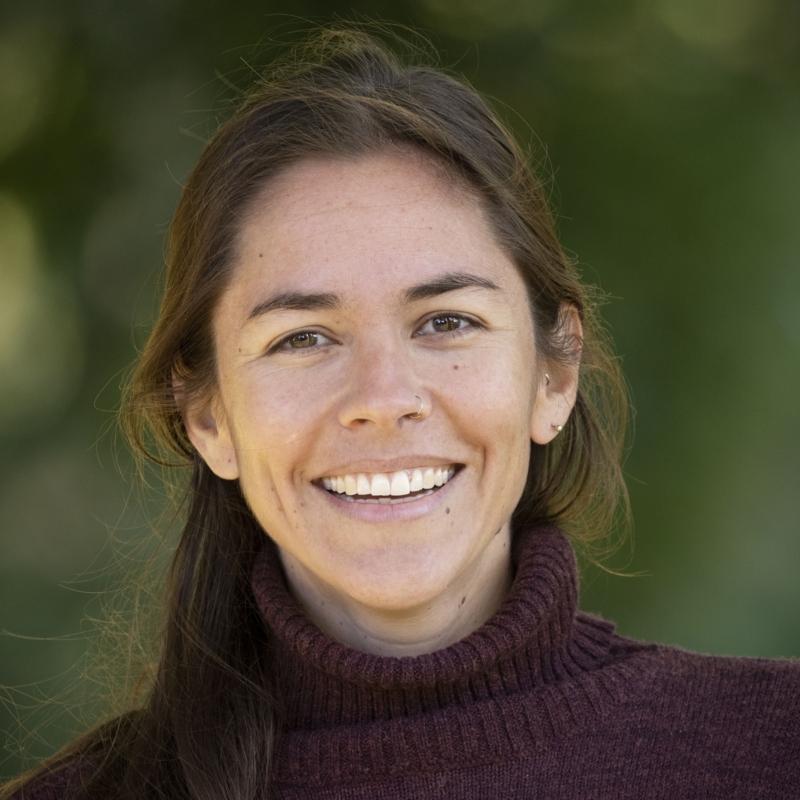 |
Lucia Gutierrez-Loza Postdoctoral fellow in Ocean Biogeochemistry NORCE Norwegian Research Centre Bergen, Norway
|
|
Lucía is a postdoctoral fellow in Ocean Biogeochemistry at NORCE Norwegian Research Centre in Bergen. Lucía’s current work is associated with PolarRES, a project studying the interactions between the atmosphere, oceans, and sea ice in the Arctic and Antarctic. Lucía’s research is focused on studying physical and biogeochemical processes in the polar oceans.
With background in Chemical Engineering, Lucía obtained a MSc in Physical Oceanography at CICESE in Ensenada, México. In 2022 she obtained her PhD in Meteorology from Uppsala University in Sweden. Over the years, Lucía’s work has been focused on air-sea interaction processes, with a particular interest in air-sea gas exchange and the carbon cycle. She has expertise on in-situ air-sea gas flux measurements using eddy covariance and has participated in extensive field work campaigns measuring CO2 and CH4 in the seawater. Lucía was a participant in the IOCCP training course in Kristineberg in 2019! |
|
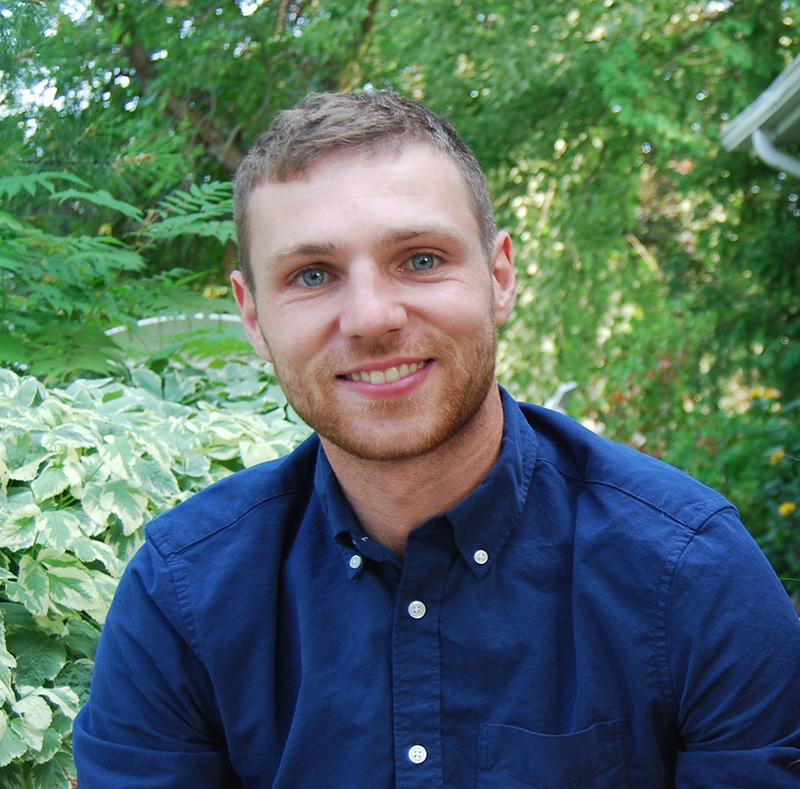 |
Mathieu Dever Research Scientist at RBR (Halifax, Nova Scotia, Canada) Adjunct Scientist at Woods Hole Oceanographic Institution (WHOI), Department of Physical Oceanography (Woods Hole, MA, U.S.A.)
|
|
At RBR, Mathieu works on the science development of instrumentations developed at RBR. By working closely with major monitoring programs (e.g., OneArgo), glider groups, and individual scientists, Mathieu works towards obtaining the best quality possible from the data. Particularly, his recent work focused on characterizing the dynamic response of RBR sensors: from the time response of an oxygen optode to the thermal inertia affecting a profiling CTD, Mathieu combines data from models, lab-experiment, and in situ to best characterize the instruments' response to a dynamic environment.
At WHOI, Mathieu's research interests focus on ocean circulation at meso- and submesoscales. Specifically, ocean dynamics over continental shelves relating to buoyancy-driven currents, their interaction with surface winds (e.g., upwelling), and the effects of bottom topography. More recently, his interests led him to investigate the role of submesoscale dynamics in the vertical exchanges in the ocean. Although his interests are centered on physical oceanography, he regularly engages in cross-disciplinary studies linking ocean physics to other oceanographic disciplines. |
|
 |
Nadja Kinski Divisional Director -4H-JENA engineering GmbH Kiel, Germany |
|
Nadja Kinski is the head of the CONTROS sensor department at -4H-JENA engineering, Germany. Nadja holds a BSc in Chemistry and Environmental Technologies from University of Applied Sciences Lübeck, Germany. She has been working at CONTROS since 2012 and established a team for the development and production of submersible and underway oceanographic sensors and multiparameter systems used in subsea networks at -4H-JENA engineering in 2020.
|
|
 |
Mark Barry Director Of Business Development at Pro-Oceanus Systems Bridgewater, Nova Scotia, Canada |
| Mark Barry leads the Business Development and Sales at Pro-Oceanus. He obtained his PhD in Oceanography from Dalhousie University in 2010, working on the development of sensors for measuring ocean sediments. Since then, he has been involved in all aspects of dissolved gas sensor design, manufacture, and deployment, with a focus on the science of the applications the sensors are used to help understand. Mark joined Pro-Oceanus in 2012 as a research and development scientist and has since adapted those skills across all segments of the company to help support a highly technical and scientific team. His main interests and focus are in on submersible pCO2 sensors for use across all applications and environments, and the continued improvement of the measurements through knowledge and research. | |
 |
Jamie Shutler Associate Professor - Earth Observation Centre for Geography and Environmental Science, University of Exeter Penryn, UK |
|
I am an oceanographer and engineer with a wide range of interests that exploit in situ observations, satellite Earth observation and models to study and monitor land-water-atmosphere interactions and environment, particularly in relation to climate and water quality. This includes studying atmosphere-ocean gas exchange of climatically important gases, the distribution of calcium carbonate in the ocean, evaluating the quality of model and Earth observation data, developing approaches for water quality monitoring of bathing waters and aquaculture sites and land-water interactions in fresh water reservoirs. I have also published research on developing and exploiting computer vision techniques for biometrics (gait), medical imaging (breast cancer) and surface ocean currents. My reserach has been featured in the Guardian Environment, BBC news, Al Jazeera TV, contributed to UK parlimentary enquiries and guided international agencies. My research team (JamieLab) currently comprises 1 post-doc researcher, 8 PhD students and an MSci student. All of our research software is open-source and free to use. The FluxEngine open source python toolbox for calculating atmosphere-ocean gas fluxes is freely avaialable here: click the link
|
|
 |
Emmanuel Boss Associate Director of the School of Marine Sciences at the University of Maine, Orono, ME, USA |
|
Emmanuel holds the position of an Associate Director of the School of Marine Sciences at the University of Maine in Orono, ME, USA, where he is also conducting research and teaching as a Professor of Oceanography. The bulk of Emmanuel's research work is concerned with both basic and applied research. Emmanuel has been involved collaboratively in the development of methods to study particle dynamics (whether sediments, algae or detrital material) including technology inter-comparison and protocol writing. These methods span platforms from divers, through Argo floats and flow-through systems on research vessels to satellite. He believes that coordination in methodology is critical for our ability to study the oceans and hence has committed to helping coordinate activities that will provide guidance regarding necessary measurements and how to achieve them.
As IOCCP SSG member Emmanuel is responsible for coordinating the development of particle-relevant EOVs and the assembly of relevant best practice protocols (and where they are not available assist in producing them). Working with experts in data curation and retrieval will insure that the protocol highlight the appropriate methods to curate data (including necessary meta data) and appropriate repository. Emmanuel will also help IOCCP strengthen the much needed connection between in situ and remote sensing sustained observations of marine biogeochemistry. |
|
 |
Artur Palacz IOCCP Project Officer Institute of Oceanology Sopot, Poland |
|
Artur holds a B.Sc. in Geosciences & Astrophysics from Jacobs University in Bremen, Germany (2006) and a Ph.D. in Oceanography from the University of Maine in Orono, Maine, USA (2011). He took advantage of this transdisciplinary education to explore innovative approaches to combining multi-platform ocean observations with ecosystem model results while contributing to numerous national and international, regional and global projects. His scientific interests and contributions range from cold-water coral biology and trace metal biogeochemistry, through ecosystem modeling, to the development of decision-support tools for marine resource management. As an oceanographer he gained a broad perspective on a critical issue of data collection and synthesis, which often hinders the development of reliable biogeochemical and ecosystem model projections needed to provide scientific advice to local, regional and global ocean management. As a researcher at the National Institute of Aquatic Resources, Technical University of Denmark (DTU-Aqua), Copenhagen, Denmark (2012-2015), Artur gained experience in coordinating international and cross-sector data synthesis and ecosystem modeling efforts (EU VECTORS project, EU EURO-BASIN project). He has also been providing scientific advice to working groups of the International Council for the Exploration of the Sea (ICES). Artur has been working as IOCCP Project Officer since January 2016. |
|
 |
Tobias Steinhoff Senior Engineer Ocean Observations NORCE Norwegian Research Centre Bergen, Norway |
| Tobias is a chemical oceanographer with special interest to the ocean carbon cycle. He has long experience with seagoing measurements of inorganic variables, here with the specialisation on surface water measurements of the partial pressure of CO2 (pCO2) to investigate the ocean's carbon uptake. In addition to these measurements from ships (research vessels, commercial vessels) He recently got involved in carbon related measurements onboard biogeochemical Argo floats. | |
 |
Nils Haentjens Research Assistant Professor School of Marine Sciences, University of Maine Orono, ME, USA |
| Nils is a scientist in the field of Optical Oceanography. Since 2022, he has been a Research Assistant Professor at the University of Maine where he completed his PhD. Nils’ main research interest is to characterize the optical signature of plankton in the open ocean, investigating at multiple scales from individual cells (using cytometry) to global patterns (using remote sensing). Currently, he focuses on above water radiometry spending most of his time on the HyperNav system, which is aimed to vicariously calibrate the upcoming satellite PACE. He also led some engineering project that he shared with the oceanographic community including the development pySAS: an autonomous solar tracker for above water radiometry; Inlinino: a software data logger for optical oceanography. | |
 |
Sebastiaan Swart Professor in Oceanography Wallenberg Academy Fellow, University of Gothenburg Gothenburg, Sweden |
| Sebastiaan's research interests are focused on understanding the circulation and dynamics in the open ocean, particularly in the Southern Ocean. As a at the University of Gothenburg, Sweden, he is investigating the main physical processes of the upper ocean and how these impact both regional and global climate. He employs remotely sensed satellite data and in situ observations from gliders, ships and profiling floats in remote & harsh ocean environments to test novel hypotheses related to submesoscale features, upper ocean stratification and mixed layer processes. He was previously head of a national facility called the South African Marine Engineering & Robotics Centre and now directs the new Swedish Centre for Ocean Observing Technology (SCOOT). This position spurred his activities in pioneering cutting-edge technology, namely gliders, to obtain high-resolution ocean observations that continue to this day. He has Co-Chaired the international Southern Ocean Observing System (SOOS) and the Southern Ocean Air-Sea Flux (SOFLUX) working group and is currently Co-Chair of the UN Ocean Decade Program & SCOR WG 'OASIS' – Observing Air-Sea Interactions Strategy. | |
Application
APPLICATIONS CLOSED
The course will be limited to a total of 28 participants at a PhD / early-career level, with large prospects for utilizing the course experience to advance their ongoing or planned research projects and their scientific career in general. Previous editions attracted 100 (2015) and 140 (2019) applicants, and the 28 participants were selected through a competitive process at the discretion of the organisers. We make every effort to attract the widest possible range of applicants allowing us to train a truly representative set of participants.
Due to the current, rather unpredictable, global financial situation related to raising prices in general and energy prices in particular, we can only provide an estimated cost of attendance at the Course. The Course venue management indicated that accommodation and meals prices might increase in early 2023.
Beyond renting the Station, which is covered by IOCCP and our co-sponsors, the approximate cost of a 13-day stay in Kristineberg will be (all prices are inclusive of VAT and are given in EUR for simplicity as the organisers will operate in this currency):
- Accommodation: 340 EUR
- Meals - full board: 360 EUR
- Registration Fee: 300 EUR
- Cost of air and ground transportation which varies for each participant
Limited financial support will be awarded to selected participants to cover one or more elements listed above. This will be done based on the quality of the application, the need for support expressed therein and availability of funds. Please note that any financial support awarded will NOT include costs related to health insurance or visa application/processing fees.
Sponsors & Organisers
WE THANK OUR CO-SPONSORS FOR THEIR EXCEPTIONAL GENEROSITY!!!


The Organizing Committee is composed of the following members:
Maciej Telszewski
IOCCP - Director
institute of Oceanology Polish Academy of Science (IO PAN)
Sopot, Poland
Dariia Atamanchuk
Research Associate - Ocean Science & Technology, Chemical Oceanography
Ocean Frontier Institute (OFI), Dalhousie University
Halifax, Canada
Tobias Steinhoff
Researcher - Marine biogeochemistry; ICOS OTC
GEOMAR | Helmholtz Centre for Ocean Research Kiel
Kiel, Germany
Artur Palacz
IOCCP - Project Officer
Institute of Oceanology Polish Academy of Science (IO PAN)
Sopot, Poland
Craig Neill
Research Engineer
CSIRO Oceans and Atmosphere
Hobart, Australia
Anders Tengberg
Product Manager & Scientific Advisor
Xylem/Aanderaa Data Instruments AS
Bergen, Norway
The Local Organizing Committee is composed of the following members:
Jessica Broman
Administrative Assistant
Kristineberg Center for Marine Research and Innovation
Kristineberg, Sweden
Lars Ljungqvist
Research Engineer
Kristineberg Center for Marine Research and Innovation
Kristineberg, Sweden
Petra Papinoja
Receptionist
Kristineberg Center for Marine Research and Innovation
Kristineberg, Sweden
Venue & Logistics
All logistical information can be found in this document: click here to download
The course will be held at the Kristineberg Center for Marine Research and Innovation, in Kristineberg, Sweden: https://www.gu.se/en/kristineberg


Location and areal view of the course venue.
Kristineberg is located at the mouth of the Gullmar fjord, with easy access to coastal habitats and open sea. The Gullmar fjord is 30 km long with a maximum depth of 118 m. Key features that makes this an important marine environment are the excellent water quality with three rather distinct water-masses; surface water of varying salinity depending on the mixture of local runoff and water from the Baltic and Kattegat/Skagerrak surface water, inter-mediate layer dominated by Skagerrak surface water and high saline bottom water from the North Sea at greater depths.
Current weather conditions as well as sea temperature and salinity in Kristineberg Marine Research Station: https://www.weather.mi.gu.se/kristineberg/en/
Visiting address:
Kristineberg, Fiskebäckskil (municipality of Lysekil)
Postal address:
Kristineberg 566,
SE-451 78 Fiskebäckskil, Sweden
Phone: 46 31 786 95 00
Contacts
For all inquiries concerning the course, please send an email to IOCCP Offfice (
Dr. Anders Tengberg is an Associate Professor at the Chalmers University of Technology (Gothenburg, Sweden) with long experience in developing autonomous platforms, like benthic landers, and new sensing technologies, like oxygen and pCO2 optodes to study processes and dynamics in the marine environment. Anders is also Scientific Advisor and Product Manager for Aanderaa Data Instruments, part of the Xylem group. He is the author/co-author of about 50 peer revied scientific publications. He has coordinated and participated in many international research projects and is at this time involved in projects on environmental effects of shipping and new sensors developments to measure waves, currents, turbulence, suspended particles and trace oxygen.